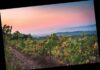
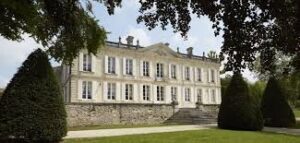
terroir full of potential, the Fronsac appellation is a world waiting to be discovered. We take a look at the tremendous work being done by Château de La Dauphine, one of the most dynamic properties in the region. La Dauphine, five things to know.
1.
Fronsadais, a land of history and promise. The Libourne region is one of the great Gallo-Roman cradles of viticulture in Bordeaux. Charlemagne built a powerful fortress here in 770 on the hill of Fronsac. In the 18th century, it became the fiefdom of the Duke of Richelieu and gained both notoriety and quality. At the time, the reputation of the Fronsac vineyard was such that its wines were priced higher than those of Saint-Émilion or Pomerol. Located on the right bank of the Dordogne, Château de La Dauphine is now one of the largest estates in the appellation with 70 hectares. The Fronsac AOC is also the one with the most organic and biodynamic properties in the region. After obtaining organic certification in 2015, the teams at La Dauphine have been working biodynamically since 2017.
 2.
2.

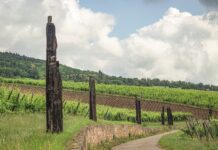
A unique and complex terroir. The vineyard is based on an exceptional terroir, an amphitheatre formed by the surrounding hillsides, facing south and spread over a 60-metre elevation. There are fourteen different types of soil across the estate. They range from clay-limestone on asteriated limestone, whose fossils testify to the ancient passage of the Dordogne. Other plots lie on clay-loam-sandy foothills. The subsoil consists of Fronsadais molasses, a mixture of sand and clay typical of the appellation.
All these terroirs contribute to the complexity of the estate’s wines, which, since their purchase by Mr. Labrune in 2015, have become increasingly balanced. Five hectares of white vines have been planted over the last two years (75% Sauvignon and 25% Sémillon vinified in the Sancerre style). On the red side, the focus is on Cabernet Franc, limestone’s best friend, which is increasingly present with Merlot for greater finesse. Finally, the rosé, made from three hectares of Merlot and Cabernet Franc, is structured while expressing freshness.
3.
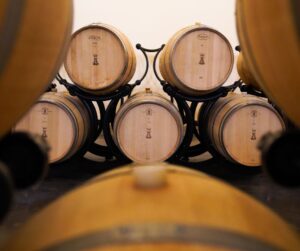
A cutting-edge approach. Significant investments were made in technical buildings between 2000 and 2015. The semi-underground, circular, gravity-fed vat room made the château a pioneer in this field (in 2001). Significant work has also been undertaken in the cellar, with the introduction of barrels and four casks from local cooperages, amphorae, and six new 80-hectolitre tulip-shaped concrete vats installed in 2017, which provide valuable thermal inertia. This combination of vessels allows for precise and diversified vinification. In total, the estate produces four wines: a white, a rosé, a red (80% Merlot and Cabernet Franc), and the Delphis de la Dauphine cuvée, made from 100% Merlot. Each one has a beautiful aromatic complexity and a balance between fruit and tannins.
4.
Strong environmental convictions. In 2018, Château de La Dauphine obtained Environmental Management System (EMS) certification. It aims to set an example of modern viticulture that is mindful of environmental issues. Its eco-responsible actions are comprehensive, and the teams are committed to reducing water and energy consumption while developing biodiversity. Level 2 of the Bordeaux CSR label “Cultivons Demain” was obtained in 2021. The estate aims to recreate a harmonious ecosystem. This includes preserving water sources, cultivating a vegetable garden of aromatic plants, and installing beehives. Every winter, for five months, in partnership with Pyrenean shepherds, 400 sheep graze the land, providing it with natural fertiliser.
 5.
5.

Serving local products and partners. Château de La Dauphine is also heavily involved in wine tourism, which has been recognised by Best of Wine Tourism. Visitors can enjoy a tour of the grounds in a 2CV, discover local products, picnic in the vineyards, and much more. The Deval catering company, located in Saint-Germain-du-Puch, twenty minutes from the estate, provides catering for many of its gastronomic events. The chocolatier Hasnaa (Saint-Émilion) works closely with the château on its “Un instant à Bordeaux” range, using the wine lees to make ganaches from the grape varieties. La Dauphine also partners with the Libourne rugby and handball clubs and commissions artists to design limited edition bottle labels. Finally, events and art exhibitions are organised at the château to attract curious visitors, who will find a lovely shop there.
photos by Charlotte Enfer